Albany Region

Author: admin37109

  • A Guide to Dating in Australia During Periods of High Fuel Costs

    A Guide to Dating in Australia During Periods of High Fuel Costs

    Australia has always had a particular talent for quietly solving complicated problems by simply refusing to make them complicated. Avoid overanalysing it. Avoid forming a working group. Don’t start a public conversation about the philosophical implications of what’s happening. Just find the most reasonable path forward and get on with your life without making it anyone else’s problem. It turns out this national instinct extends, somewhat inevitably, to the way Australians are handling the intersection of rising petrol prices and their dating habits.

    Data from the Australian insurance company Youi found that between February and April 2026, Australians’ acceptable driving distance for a first date shifted from up to one hour to 30 minutes or less. That shift is the headline. But the more interesting finding sits just beneath it. The obvious follow-up question, when fuel prices start affecting how far people will drive to meet someone, is ‘Did Australians respond by having complicated conversations about who should cover petrol costs?’ ‘ Did they introduce fuel-split negotiations into the pre-date logistics? Did they start asking for reimbursement for the servo stop on the way over? They did not. They simply decided to drive less and moved on with their evening.

    That’s an extraordinarily clean solution to a cost problem. Don’t argue about the insurance implications of the trip. Don’t introduce spreadsheets into the romantic process. Don’t make it weird, transactional or awkward before anyone has even met in person. Just reduce the trip itself. Less petrol is used, the same expectations are in place, and the entire debate is bypassed entirely. It is, in the most characteristically Australian way imaginable, a completely pragmatic response to a financial pressure point, and the data backs it up without ambiguity. Roughly one in three Australians still expected the date’s organiser to do the pick-up in both February and April, and that figure didn’t shift a single percentage point between the two surveys.

    The shift has been most pronounced among Millennials and Gen X, the generations carrying the heaviest load of cost-of-living pressure in 2026 and the ones most likely to be in active dating mode while simultaneously managing everything else adult life involves. These are people navigating mortgages, household budgets, childcare costs, and the relentless general expense of keeping a life running in a high-inflation environment. For them, the 30-minute dating radius isn’t a romantic concession. It’s a sensible resource allocation applied to a different part of the diary. The same thinking that governs their grocery choices and energy bills has naturally extended to include first dates.

    Men made the most dramatic retreat in the data, particularly those who’d expressed the greatest enthusiasm for long-distance dating back in February. The fellows who’d been most willing to drive two or more hours were also the ones who pulled back most sharply when petrol made that willingness genuinely expensive to act on. There’s something both amusing and deeply recognisable about that dynamic: the biggest romantic optimist is most affected by contact with the service recipient. The romanticism was entirely real. So was the fuel bill.

    Women’s adjustment was more measured, as it tended to be across most of the data. Moving from the one-hour bracket to the under-30-minute zone, their recalibration felt less like a crisis of romantic principle and more like a sensible update to an existing policy that was slightly overdue for revision anyway. Which, again, tracks precisely with the broader Australian approach to these things. No drama necessary. Update the settings, note it quietly, and move on without fanfare.

    Gen Z barely registered a change in their dating behaviour at all, largely because they were already operating within a shorter radius before fuel prices became a cultural talking point. Their preference for local-everything means the compressed dating geography of 2026 is simply the geography they’ve always been working with, without needing to be prompted by external economic conditions to get there. Not especially cinematic by traditional standards, perhaps, but quietly and consistently ahead of the practical curve.

    Baby Boomers also held steady, drawing on decades of lived experience riding out economic cycles without dramatically restructuring their social habits around whatever the current financial weather happens to be. The price goes up. It comes back down eventually. You adapt where strictly necessary and maintain your life where possible. No overreaction required and none forthcoming. Their steadiness in the data reflects not indifference to cost pressures but a longer and more calibrated view of how temporary most of these pressures actually turn out to be.

    What the Youi data ultimately captures is a country that has found its own quiet way through a financial moment without abandoning the underlying activity it was navigating. Australians are still dating. They’re still showing up. They’ve just recalculated what showing up looks like at $2.50 a litre and landed, as they usually manage to do, somewhere sensible, sustainable, and entirely without unnecessary fuss.

  • Optimising Your Home’s Comfort: How a Hot Water Size Calculator Ensures Efficiency and Cost Savings

    Optimising Your Home’s Comfort: How a Hot Water Size Calculator Ensures Efficiency and Cost Savings

    Estimating the right hot water system for your household is crucial for both comfort and efficiency. A well-sized system ensures that you have enough hot water without incurring excessive energy costs. Thankfully, tools like the hot water size calculator make the task much easier and more accurate. This article delves into how these calculators work and why they are essential for anyone considering a new hot water system.

    Understanding Hot Water Needs

    Every household has unique requirements when it comes to hot water usage. The number of occupants, the types of appliances used, and daily hot water habits significantly affect the amount of hot water needed. For instance, families who frequently use a dishwasher or take long showers will have higher demands compared to smaller households with less reliance on such amenities. Understanding these needs is the first step in determining the appropriate system size.

    How Hot Water Size Calculators Work

    Hot water size calculators are tools designed to streamline the decision-making process by taking into account critical factors specific to your household. They typically require input such as the number of bathrooms, the number of residents, and peak usage times. Based on this information, the calculator provides a recommendation for the size and capacity of the hot water system that will best suit your needs. This approach reduces the risk of over- or underestimating your requirements, which can lead to inefficiencies and discomfort.

    Benefits of Using a Calculator

    1. Accuracy

    A bespoke recommendation ensures that your hot water system is neither too large nor too small. An oversized system might result in unnecessarily high energy bills, while an undersized system can lead to running out of hot water during peak times. Using a size calculator can help align your system specifications with your actual usage patterns.

    2. Cost-Efficiency

    Energy bills are a significant concern for many households. An optimally sized hot water system that meets your specific needs can save money in the long run by minimising wasted energy. More precisely, a calculator aids in identifying the most cost-effective solution, reducing both initial investment and ongoing operational costs.

    3. Sustainability

    Environmental impact is an increasingly important consideration. By selecting a system that meets but does not exceed your requirements, you can reduce your household’s carbon footprint. Efficient energy use contributes to broader sustainability goals, ensuring that you’re doing your part in mitigating environmental harm.

    Factors Influencing Hot Water Requirements

    Household dynamics are the primary determinants of hot water needs. However, additional factors can affect sizing, including:

    – Climate: Colder climates may require systems with larger or more advanced heating capabilities to ensure a rapid water heating process.

    – Building Design: Larger homes might need more powerful systems to efficiently deliver hot water throughout the property.

    – Future-Proofing: Families expecting to grow should consider additional capacity to accommodate more residents over time.

    Selecting the Right System Type

    The choice between instantaneous systems and storage tank models can also impact sizing. Instantaneous systems, which heat water on demand, may require different sizing considerations compared to traditional storage tanks, which maintain a reservoir of heated water. Each has its own set of benefits and ideal use cases, depending on factors like space, budget, and efficiency preferences.

    Practical Steps for Using a Calculator

    To effectively use a hot water size calculator, you should:

    1. Gather Information: Note down the number of residents, bathrooms, and any notable hot water habits.

    2. Explore Calculator Options: Many online calculators provide detailed guidance based on your input.

    3. Review Recommendations: Evaluate the suggested system size and type based on your household’s preferences and characteristics.

    4. Consult a Professional: After getting a calculator’s recommendation, discuss it with a plumbing expert to verify compatibility with local regulations and infrastructure.

    Importance of Regular Maintenance

    Even after selecting the appropriate system size, maintaining it is vital to ensure efficiency and longevity. Regular maintenance checks can prevent unexpected breakdowns and non-optimal performance. This includes flushing tanks to remove sediment, checking pressure relief valves, and inspecting the system thoroughly for leaks or faults.

    Conclusion

    A hot water size calculator is an invaluable tool for any household looking to upgrade or install a new hot water system. By taking into account individual household factors, it provides precise recommendations that ensure efficiency, reduce costs, and support environmental sustainability goals. Embracing this approach will help you optimise your hot water system for both current and future needs, contributing to a comfortable and eco-friendly home.

  • Custom Home Renovations: Designing a Space That Reflects Your Lifestyle

    Custom Home Renovations: Designing a Space That Reflects Your Lifestyle

    Renovating a home is more than just updating walls or floors; it’s about creating a space that truly reflects your lifestyle and meets your family’s unique needs. The custom home renovations allow homeowners in Australia to transform outdated or generic spaces into personalised, functional, and aesthetically pleasing environments. Whether it’s a modern kitchen, a luxurious bathroom, or an open-plan living area, a well-planned renovation can enhance comfort, convenience, and property value.

    Understanding Custom Home Renovations

    Custom home renovations are tailored projects that go beyond standard renovations. They focus on the specific preferences, requirements, and style of the homeowner. Unlike off-the-shelf solutions, custom renovations involve careful planning, professional design, and attention to detail to ensure every aspect of the space aligns with the homeowner’s vision.

    These renovations can include structural changes, such as knocking down walls for an open-plan layout, installing high-end finishes, or incorporating innovative storage solutions. The process often begins with consultations to understand the homeowner’s lifestyle, daily routines, and aesthetic preferences, allowing designers and contractors to create a cohesive plan that works for both function and style.

    Benefits of Custom Renovations

    One of the main advantages of custom home renovations is personalisation. Homeowners can create spaces that suit their specific needs, whether that means a home office, a family-friendly kitchen, or a relaxing outdoor area. Every element—from lighting and flooring to cabinetry and colour schemes—can be chosen to reflect personal taste and lifestyle.

    Custom renovations also offer the opportunity to improve functionality. Older homes may have layouts that no longer suit modern living, such as cramped kitchens, poorly lit rooms, or inefficient storage. Renovations allow homeowners to redesign these spaces, making them more practical and enjoyable to live in.

    Another benefit is the potential increase in property value. Well-executed renovations with quality materials and finishes can make a home more attractive to buyers if you ever decide to sell. In competitive property markets like Melbourne and Sydney, a home with modern, customised features stands out and can command a higher price.

    Planning a Custom Renovation

    Planning is critical for a successful renovation. The first step is identifying the areas that need change and setting clear goals. Homeowners should consider how they use their space, what they want to improve, and what style or design elements appeal to them. Budgeting is also essential, as custom renovations can be more expensive than standard upgrades due to the bespoke nature of materials and design.

    Engaging experienced professionals—architects, interior designers, and licensed contractors—is highly recommended. They can provide expert advice on design feasibility, materials, and timelines while ensuring compliance with building codes and regulations. Professionals also help homeowners avoid common pitfalls, such as structural issues or unexpected costs, that can arise during renovations.

    Choosing the Right Materials and Finishes

    The choice of materials and finishes is a critical part of custom renovations. High-quality materials not only improve aesthetics but also contribute to durability and ease of maintenance. For example, polished concrete floors or stone countertops offer both visual appeal and long-term resilience.

    Finishes, colours, and textures should be selected to complement the overall design of the home. Lighting also plays a significant role in enhancing the space, highlighting architectural features, and creating the desired ambience. A thoughtful combination of materials, finishes, and lighting ensures that the renovated space feels cohesive and inviting.

    Maximising Functionality and Comfort

    Custom home renovations are not just about looks—they are also about how well the space works for those living in it. Smart storage solutions, ergonomic layouts, and flexible spaces that adapt to changing needs are key considerations. For example, a home office can double as a guest room, or an open-plan kitchen can include a breakfast bar for family interaction.

    Energy efficiency and sustainability are increasingly important in renovations. Incorporating features such as energy-efficient lighting, solar panels, water-saving fixtures, and sustainable materials can reduce utility costs and create a more environmentally responsible home.

    Conclusion

    Custom home renovations offer homeowners the chance to create a living space that reflects their lifestyle, improves functionality, and increases property value. By carefully planning the project, choosing the right materials and finishes, and working with experienced professionals, you can transform your home into a space that is both beautiful and practical.

    Every renovation is an investment—not just in the property itself but in the quality of daily life and long-term enjoyment of your home. When done correctly, custom renovations turn ordinary houses into personalised havens that meet your needs today and adapt to your lifestyle in the future.

    FAQs

    What makes a renovation ‘custom’ rather than standard?

    A custom renovation is tailored to the homeowner’s specific needs, preferences, and lifestyle, unlike standard renovations that follow generic designs.

    Do custom renovations increase property value?

    Yes, well-executed renovations with high-quality materials can increase a home’s market value and appeal to potential buyers.

    How do I plan a successful custom renovation?

    Start by identifying goals, setting a budget, and consulting experienced architects, designers, and contractors to ensure design feasibility and compliance with regulations.

    Can custom renovations improve energy efficiency?

    Absolutely. Features such as energy-efficient lighting, sustainable materials, and water-saving fixtures can enhance comfort while reducing utility costs.

  • Stainless Steel Sheets: Versatile Solutions for Modern Industries

    Stainless Steel Sheets: Versatile Solutions for Modern Industries

    Stainless steel sheets have become an essential material across a wide range of industries. Known for their durability, strength, and resistance to corrosion, these sheets are valued for both industrial and domestic applications. The demand for stainless steel sheets in Melbourne continues to grow as industries seek high-quality materials for diverse applications. From architectural frameworks and automotive components to kitchen appliances and medical equipment, stainless steel sheets combine practicality with aesthetics. Their versatility makes them indispensable in environments that require long-lasting, reliable, and visually appealing materials.

    Properties and Composition

    Stainless steel is not a single element but an alloy, primarily composed of iron, chromium, and nickel, often with small amounts of other metals to enhance specific properties. Chromium is the key ingredient that gives stainless steel its corrosion resistance. It forms an invisible layer of chromium oxide on the surface, preventing rust and maintaining the steel’s appearance and structural integrity over time. Typically, stainless steel contains at least 10.5% chromium, with additional elements like molybdenum, manganese, and carbon included in certain grades to enhance hardness, flexibility, or resistance to harsh chemicals.

    This combination of properties allows stainless steel sheets to endure demanding conditions while maintaining both strength and a polished appearance. Their long lifespan and low maintenance requirements make them a cost-effective choice, particularly for applications that require consistent performance over decades.

    Types of Stainless Steel Sheets

    There are several types of stainless steel sheets, each designed for different applications based on strength, corrosion resistance, and formability:

    Austenitic Stainless Steel – Containing high levels of nickel and chromium, austenitic stainless steel offers excellent corrosion resistance and weldability. It is commonly used in kitchen equipment, chemical processing machinery, and architectural applications due to its durability and aesthetic appeal.

    Ferritic Stainless Steel – Ferritic sheets are magnetic and less ductile than austenitic types but still provide strong corrosion resistance. They are often used in automotive exhaust systems, appliances, and industrial panels.

    Martensitic Stainless Steel – Known for its hardness, martensitic steel is ideal for cutting tools, knives, and surgical instruments. Its heat-treatable properties make it suitable for applications requiring strength and wear resistance.

    Duplex Stainless Steel – Combining the properties of austenitic and ferritic steel, duplex stainless steel offers high strength and resistance to stress corrosion cracking. It is widely used in chemical processing, marine environments, and oil and gas industries.

    Precipitation-Hardening Stainless Steel – This alloy includes elements such as aluminium and copper, which allow it to be heat-treated for extremely high strength and hardness. It is often used in aerospace, defence, and other high-performance applications.

    Applications Across Industries

    Architecture and Construction – Stainless steel sheets are widely used in building and construction for both structural and decorative purposes. They are ideal for cladding, roofing, façades, and interior design elements due to their durability and sleek appearance. The material’s resistance to environmental stress, including moisture, pollution, and temperature fluctuations, makes it particularly suitable for exterior applications.

    Automotive and Transportation – In the automotive sector, stainless steel sheets are used for vehicle frames, exhaust systems, trims, and structural components. Their lightweight nature and corrosion resistance enhance vehicle longevity and safety while contributing to fuel efficiency. Stainless steel also supports innovative designs in transportation infrastructure and commercial vehicles.

    Medical and Pharmaceutical Sectors – Hygiene and sterilisation are paramount in healthcare, and stainless steel sheets are perfectly suited for these requirements. They are used to manufacture surgical instruments, medical equipment, laboratory surfaces, and storage cabinets. Their non-porous surfaces prevent bacterial growth and can withstand repeated cleaning and sterilisation without losing integrity.

    Food and Beverage Industry – The food industry relies heavily on stainless steel for processing, storage, and preparation equipment. Stainless steel sheets are used for kitchen surfaces, storage tanks, food processing machinery, and utensils. Their corrosion resistance ensures that acidic or alkaline substances do not compromise the material, while easy-to-clean surfaces maintain hygiene and prevent contamination.

    Environmental Benefits

    Stainless steel sheets are not only functional but also environmentally friendly. They are fully recyclable without any loss of quality, making them a sustainable choice for industries committed to reducing their environmental impact. Using stainless steel sheets supports resource efficiency, waste reduction, and long-term sustainability initiatives. Their durability also reduces the need for frequent replacement, lowering energy and resource consumption over time.

    Advances in Manufacturing and Technology

    Technological advancements have significantly improved the production and processing of stainless steel sheets. Modern techniques, such as laser cutting, precision rolling, and advanced polishing, provide smoother finishes, greater accuracy, and tailored dimensions for specific industrial requirements. These innovations enable the creation of complex designs while improving production efficiency. Additionally, coating technologies and surface treatments now enhance corrosion resistance and aesthetic appeal, expanding stainless steel sheets’ suitability for demanding or decorative applications.

    Choosing the Right Stainless Steel Sheet

    Selecting the appropriate stainless steel sheet depends on the intended application, environment, and required properties. Factors such as corrosion resistance, strength, ductility, and surface finish should be considered. For instance, a kitchen or medical application might prioritise corrosion resistance and hygiene, while structural projects may focus on strength and durability. Consulting with suppliers or manufacturers can help ensure that the chosen stainless steel sheet meets performance requirements and budget considerations.

    Conclusion

    Stainless steel sheets remain one of the most versatile and reliable materials in modern industry. Their combination of strength, corrosion resistance, aesthetic appeal, and sustainability makes them suitable for a vast range of applications, from construction and transportation to healthcare and food processing. Advances in manufacturing technology continue to enhance their performance, while their recyclability supports environmentally responsible practices. By choosing the right stainless steel sheet for each application, industries can ensure durability, efficiency, and long-term value, making stainless steel an enduring choice for modern innovation and design.

  • Enhancing Durability: The Art of Concrete Floor Preparation

    Enhancing Durability: The Art of Concrete Floor Preparation

    Concrete floors serve as a reliable foundation across various settings, from industrial spaces to residential homes. The key to ensuring these surfaces achieve their full potential lies in effective preparation. Without thorough groundwork, even the best-quality concrete can underperform. That’s why concrete floor preparation services are indispensable, offering solutions to create a flawless base for any floor covering or finish. When you engage professionals for this task, you invest in the longevity and aesthetics of your flooring system. Learn more about these services.

    Proper surface preparation involves tasks such as cleaning, levelling, repairing cracks, and moisture assessment, all of which ensure optimal adhesion for coatings or finishes. Additionally, professional preparation can prevent future issues like uneven surfaces, premature wear, and structural weaknesses, safeguarding both appearance and durability.

    Understanding the Necessity of Floor Preparation

    Before applying any finish or overlay, it’s essential to prepare the concrete surface meticulously. This preparation determines the longevity and efficacy of any additional layers placed atop the concrete. A well-prepared floor is free from contaminants, levelled, and ready to accept coatings or adhesives. Without these preparatory steps, flooring has the potential to delaminate, crack, or unevenly age, leading to costly repairs and inefficiencies.

    Concrete floor preparation involves several key activities, including cleaning, crack repair, levelling, and priming. Each stage plays a crucial role in enhancing the bonding quality and ensuring a smooth, durable surface. Cleaning removes grease, oil, and any foreign substances that could prevent adhesion. Meanwhile, crack repair is vital to address structural issues that may compromise integrity over time.

    Techniques in Concrete Floor Preparation

    Advancements in technology have revolutionised the methods used in preparing concrete floors. Different techniques are selected based on the floor’s condition and the intended outcome. These may include shot blasting, diamond grinding, or scarifying. Each technique serves a specific purpose: shot blasting removes old coatings and contaminants, diamond grinding smooths and levels the surface, and scarifying tackles heavy-duty surface imperfections. Choosing the right method ensures a durable, even foundation that maximises the performance of subsequent flooring installations.

    • Shot Blasting: This technique propels steel shots at high speed onto the surface, stripping away residues and texturising the concrete for a new application. It’s especially useful for concrete that requires surface uniformity.
    • Diamond Grinding: Employing diamond-impregnated grinding discs, this method smooths the surface, removing inconsistencies and enhancing flatness. It’s commonly chosen for floors that demand a high-quality finish.
    • Scarifying: In this process, a machine applies rotating cutting tools to roughen up or remove existing coatings, rendering the concrete uneven initially but essential for strong adhesion.

    Each of these methods has its advantages, chosen based on the specifics of the project. A professional assessment will best determine the appropriate approach needed for superior results.

    Overcoming Common Challenges

    Concrete floor preparation is not without its challenges. Variations in concrete mix, environmental conditions, and previous treatments can all impact the preparation process. For instance, moisture levels present a significant concern, as excess moisture can impede the curing process and weaken the adherence of new layers. Moisture testing and mitigation strategies are essential parts of a comprehensive preparation plan.

    The presence of contaminant build-ups, such as adhesives from past installations, can also pose difficulties. These residues must be thoroughly abraded or chemically removed to achieve an uncontaminated surface. Furthermore, the inherent porosity of concrete can necessitate the use of densifiers, which close off the pores and provide a more consistent binding base.

    Experienced professionals are adept at recognising these challenges and adapting their techniques accordingly, ultimately ensuring the floor’s performance and longevity.

    The Role of Equipment and Expertise

    High-quality outcomes in concrete floor preparation rely on both state-of-the-art equipment and skilled technical expertise. The use of advanced grinders, polishers, and dust containment systems ensures efficiency and precision. Moreover, this equipment drastically reduces the generation of dust, enhancing safety and cleanliness on the job site.

    Training and experience are equally important, as practitioners must understand the properties of concrete, the nuances of different preparation techniques, and the specific requirements of the intended solvent application. Expertise allows for quick adjustments in technique and mitigates common issues that arise during the preparation phase.

    Integrating Eco-Friendly Practices

    As sustainability becomes an increasing priority, there is a shift towards eco-friendly practices in concrete floor preparation. The use of water-based products and techniques that minimise waste is gaining traction. Recycling materials where possible and reducing the carbon footprint of preparation services reflect a commitment to environmentally responsible building practices. Furthermore, innovation in low-VOC (Volatile Organic Compounds) sealers and coatings supports health-friendly choices for indoor environments.

    Conclusion: Seamless Transition to Floor Finish

    Adequate concrete floor preparation paves the way for a successful flooring outcome, affecting both the appearance and performance of the final product. By integrating skilled expertise, cutting-edge technology, and environmental considerations, a project can achieve a seamless transition from a bare concrete slab to a polished, finished surface. For those in need of reliable services, understanding the intricacies of floor preparation highlights the importance of investing in professional services for optimal results.

  • Navigating the Digital Landscape: Empowering Tradies Through Online Marketing

    Navigating the Digital Landscape: Empowering Tradies Through Online Marketing

    In today’s fast-paced digital world, the landscape of marketing has evolved dramatically. For tradies seeking to remain competitive and grow their businesses, adapting to these changes is no longer optional; it’s essential. This is where the concept of digital marketing for tradies comes into play, offering robust solutions that align with the unique needs and challenges faced by tradespeople.

    The Growing Importance of a Digital Presence

    The shift from traditional to digital marketing has been swift and transformative. Modern clients increasingly search online before hiring services, making it essential for tradies to appear in relevant search results. A strong digital presence not only attracts new clients but also reinforces trust with existing ones.

    Creating a professional website, maintaining active social media accounts, managing online reviews, and utilising search engine optimisation (SEO) are all key components of a successful digital strategy. Without these elements, businesses risk losing visibility to competitors who are more digitally savvy.

    Website Optimisation: Your Digital Shopfront

    A well-optimised website is the first impression many potential clients will have of a tradie’s business. It functions as a digital shopfront that showcases services, expertise, and professionalism. Key considerations include user-friendly navigation, mobile responsiveness, fast loading times, and visually appealing design.

    Including clear service descriptions, high-quality images of completed projects, and strong calls-to-action encourages visitors to engage and make enquiries. Local SEO strategies, such as optimising for location-specific keywords and creating Google Business profiles, help tradies reach nearby clients actively searching for their services. Incorporating these tactics improves search engine rankings and drives more targeted traffic to the website.

    Harnessing the Power of Social Media

    Social media platforms like Facebook, Instagram, LinkedIn, and TikTok offer tradies a unique opportunity to connect with potential clients and showcase their work. Regular updates about completed projects, behind-the-scenes insights, and customer testimonials can humanise a business and build trust.

    Developing a consistent social media strategy helps boost brand awareness, increase engagement, and foster customer loyalty. Posting valuable content that resonates with your target audience also encourages sharing and word-of-mouth promotion online, amplifying your reach without high cost.

    Online Advertising: Cost-Effective and Targeted

    Online advertising allows tradies to reach a specific audience efficiently. Platforms such as Google Ads and Facebook Ads provide tools to target ads based on demographics, location, and interests. Pay-per-click (PPC) campaigns are particularly effective, offering measurable results and immediate visibility.

    By monitoring ad performance and adjusting campaigns in real time, tradies can optimise their marketing budget for maximum return on investment. Online advertising not only generates leads but also complements other digital marketing strategies, reinforcing brand recognition across multiple channels.

    The Role of Content Marketing

    Content marketing is a powerful tool to establish authority and credibility in the trade industry. By creating informative blog posts, video tutorials, guides, and FAQs, tradies can position themselves as experts while providing value to their audience.

    High-quality content also strengthens SEO efforts, as search engines prioritise websites that consistently publish relevant, useful information. Beyond boosting search rankings, content marketing helps build a loyal following of clients who view the business as a trusted source of advice and solutions.

    Online Reputation Management

    A tradie’s reputation online can significantly influence customer decisions. Positive reviews on platforms like Google My Business, Yelp, and industry-specific directories can attract more clients, while negative feedback can deter potential customers.

    Encouraging satisfied clients to leave reviews and promptly addressing any concerns shows professionalism and commitment to quality service. Reputation management tools can help monitor online mentions, respond efficiently, and maintain a strong, positive image in the digital space.

    Email Marketing: Keeping Clients Engaged

    Email marketing remains one of the most cost-effective ways to maintain client relationships. Regular newsletters, promotional emails, and service updates keep businesses top-of-mind and encourage repeat business.

    Personalising emails based on client preferences and behaviour increases engagement and conversion rates. Segmented email lists allow tradies to deliver targeted messages, ensuring that clients receive relevant content that encourages action, from booking a service to referring friends.

    Measuring Success with Analytics

    Analytics tools, such as Google Analytics, provide valuable insights into website traffic, user behaviour, and marketing campaign performance. For tradies, understanding these metrics allows for data-driven decision-making and strategy optimisation.

    Tracking which pages attract the most visitors, which campaigns drive conversions, and how clients interact with content enables continuous improvement. This ensures marketing efforts are effective, resources are well allocated, and business growth is sustained over time.

    Conclusion

    The digital marketing landscape offers tradies unprecedented opportunities to expand their reach and grow their business. By embracing website optimisation, social media engagement, online advertising, content marketing, reputation management, and email campaigns, tradespeople can strengthen their online presence and attract more clients.

    A comprehensive digital strategy not only enhances visibility but also builds trust and authority in the industry. Tradies who actively invest in these strategies can stay competitive, increase customer loyalty, and achieve long-term business success in an increasingly digital marketplace.

  • The Essential Role of Local Hardware Stores in Home Improvement

    The Essential Role of Local Hardware Stores in Home Improvement

    In bustling communities, both urban and rural, the local hardware store stands as a pivotal cornerstone in the landscape of DIY and home improvement. For decades, these establishments have equipped homeowners, builders, and hobbyists with the necessary tools and materials to bring their projects to life. From hammers and nails to more sophisticated equipment like power tools and paint mixers, the diversity and utility of a hardware store are essential to its community-oriented mission.

    The Evolution of Hardware Stores

    Hardware stores have transformed dramatically over the years. Originally, they were small shops catering mainly to local farmers, tradesmen, and craftsmen, offering a limited range of products. Today, hardware stores are comprehensive hubs serving both professional contractors and DIY enthusiasts. Modern stores are no longer just retail spaces for purchasing tools and materials; they are centres of knowledge, inspiration, and advice for a wide range of home improvement projects.

    These stores now blend traditional product offerings with services and expertise, positioning themselves as more than just suppliers; they are partners in building, renovating, and creating.

    Products and Services That Make a Difference

    A well-stocked hardware store offers an extensive range of products that go beyond what most online retailers provide. Shoppers can find everything from plumbing and electrical supplies to gardening tools and painting equipment. The immediate availability of these items provides convenience and reassurance that online shopping often cannot match.

    Hardware stores also provide services that enhance the shopping experience. Tool rentals allow customers access to expensive or infrequently used equipment without the commitment of purchase. Expert staff offer guidance on selecting the right materials and techniques, helping customers avoid costly mistakes. Some stores even host workshops and DIY classes, making it possible to learn new skills while sourcing the necessary tools.

    By combining product variety with hands-on support, hardware stores cater to both seasoned professionals and first-time DIYers, ensuring that everyone has the resources they need to complete their projects successfully.

    The Value of Local Expertise

    One of the greatest advantages of visiting a hardware store is the expertise of its staff. Many employees are industry veterans with years of experience in construction, carpentry, and home repair. Their knowledge extends beyond the products themselves to practical, real-world advice.

    Whether selecting the best type of wood for an outdoor deck, choosing energy-efficient lighting solutions, or understanding the correct materials for a plumbing project, these experts provide guidance that online sources often cannot replicate. Personalised advice ensures that projects are completed efficiently, safely, and with high-quality results.

    Sustainability and Innovative Solutions

    As consumer priorities shift towards eco-conscious living, hardware stores have adapted by offering sustainable products. From energy-efficient appliances and LED lighting to environmentally friendly paints and building materials, modern stores help customers make greener choices for their homes.

    Innovation is another area where hardware stores have embraced change. Many now offer smart home technology, such as intelligent security systems, automated lighting, and energy-saving thermostats. This integration of modern technology ensures that hardware stores remain relevant in a market where convenience, efficiency, and sustainability are key considerations.

    By combining traditional tools with cutting-edge innovations, hardware stores provide customers with solutions that enhance both functionality and environmental responsibility.

    Community Engagement and Local Support

    Local hardware stores are more than just retail spaces; they are community pillars. Unlike impersonal large chains, these stores offer personalised service and foster meaningful relationships with their customers. Staff often understand the specific needs of their local community, providing tailored recommendations and advice.

    Supporting local hardware stores also strengthens the economy by keeping small businesses thriving. Many stores engage with the community by sponsoring events, supporting local projects, and collaborating with schools or neighbourhood initiatives. This close connection fosters loyalty and reinforces the store’s role as a trusted and integral part of the community.

    Overcoming Modern Challenges

    Despite their importance, hardware stores face significant challenges in today’s retail environment. Competition from online marketplaces, which offer convenience and competitive pricing, pressures traditional stores to innovate. Rising operational costs and maintaining a diverse inventory also present financial hurdles for smaller shops.

    Successful hardware stores, however, leverage their unique strengths. Immediate product availability, expert advice, and personalised customer service create a shopping experience that online retailers cannot fully replicate. By emphasising these advantages, hardware stores continue to attract and retain loyal customers.

    Adapting to the Digital Age

    Many hardware stores have embraced digital tools to meet modern customer expectations. Online catalogues allow customers to browse products and check availability before visiting the store. Click-and-collect services combine the convenience of online shopping with the assurance of in-person pickup.

    By integrating digital technology with traditional retail practices, hardware stores create a seamless shopping experience that appeals to both tech-savvy consumers and those who value hands-on interaction.

    Conclusion

    Local hardware stores remain essential to home improvement, offering a combination of products, expertise, and community engagement that cannot be replicated online. Their evolution from small trade shops to comprehensive centres for DIYers, contractors, and environmentally-conscious homeowners demonstrates their adaptability and enduring relevance. By embracing sustainability, innovation, and personalised service, these stores continue to thrive, serving as indispensable resources for anyone seeking to enhance their home or garden.

  • Understanding the Role of Therapeutic Aids in the NDIS Framework

    Understanding the Role of Therapeutic Aids in the NDIS Framework

    The National Disability Insurance Scheme (NDIS) represents a pivotal shift in the support structures provided to individuals with disabilities, offering them greater control and choice over their services and supports. Included within this framework is a specific focus on NDIS therapeutic aids, which facilitate improved independence and functionality for participants with diverse needs. These aids are essential in enabling individuals to partake more fully in everyday activities and can significantly enhance their quality of life.

    Defining Therapeutic Aids under NDIS

    Therapeutic aids provided through the NDIS include a wide array of products and devices that assist individuals in performing tasks they might otherwise find challenging. These can range from simple devices to more complex systems, all designed to improve health and well-being outcomes for participants. The selection of appropriate therapeutic aids is typically dependent on individual assessments conducted by allied health professionals. The goal is to ensure a tailored approach that aligns with each participant’s unique goals and needs.

    Categories and Examples of Therapeutic Aids

    Under the scheme, therapeutic aids are broadly categorised into several types. Mobility aids, for example, encompass wheelchairs, walking frames, and mobility scooters, which are critical for those with physical impairments. Sensory aids, such as communication devices and hearing aids, serve individuals with sensory disabilities by aiding in better interaction with their environment. Assistive technology for daily living might include specially designed kitchen utensils or home modifications tailored to support greater independence in personal care tasks.

    Mobility and Transportation Aids

    For individuals with mobility challenges, access to appropriate mobility aids can transform their daily experiences. Products like custom wheelchairs or electric scooters not only enhance the ease of movement but also play a crucial role in promoting social participation and access to community resources. Through NDIS, these aids are not just a convenience; they are a necessity that can greatly influence a participant’s ability to live autonomously.

    Sensory Aids

    Communication devices, such as speech-generating tools and Braille readers, are invaluable to participants with speech or sensory impairments. These aids facilitate engagement and expression in social settings, ensuring that communication barriers do not hinder personal or professional interactions. Customised hearing aids or visual supports also fall under this category, providing assistance in navigating and interpreting the world more effectively.

    Daily Living Aids and Assistive Technology

    Assistive technology encompasses a manifold of devices and supports designed to aid in daily living activities. Participants who may have difficulties with routine tasks like dressing, cooking, or cleaning can benefit from adapted kitchen utensils, grab rails, or electronic organisers. Smart home technologies, such as voice-activated systems, can further increase independence by assisting in the control of the home environment without requiring physical intervention.

    The Process of Obtaining NDIS Therapeutic Aids

    The process for acquiring these therapeutic aids begins with a comprehensive assessment by a qualified healthcare provider, usually an occupational therapist or a physiotherapist, who evaluates the specific needs of the individual. Once the assessment is complete, participants can include recommendations in their NDIS plans.

    Participatory Planning with NDIS

    The planning stage is crucial, as it involves discussions about the participant’s goals, current supports, and the impact of the disability on their daily life. This phase ensures that the chosen aids provide not only immediate support but also long-term benefits. It’s important for participants to engage actively during planning, articulating their preferences and any specific considerations for the aids they require.

    Funding and Support for Therapeutic Aids

    The NDIS provides funding flexibility that allows participants to choose suppliers and equipment that best meet their needs. Working with registered providers ensures that the aids sourced meet quality and safety standards. Participants also have the choice to self-manage their plans, providing greater control over how funds are spent and which aids are procured.

    Impact of Therapeutic Aids on Participants’ Lives

    The inclusion of therapeutic aids within the NDIS framework has had a profound impact, not only on the immediate quality of life of participants but also on their long-term wellbeing. These aids address both the physical and psychological aspects of disability, fostering an environment where individuals can engage more fully in community life and pursue personal interests or career goals.

    Enhancing Independence and Confidence

    By reducing reliance on caregivers for basic needs, therapeutic aids boost the independence of participants, allowing them to gain confidence in their abilities. This newfound autonomy can lead to increased opportunities in education, workplace participation, and social engagement, fundamentally altering life trajectories and broadening personal horizons.

    Improving Health Outcomes

    The consequent improvement in health outcomes cannot be overstated. Therapeutic aids contribute not just to physical health by preventing secondary complications associated with immobility or lack of sensory engagement, but they also significantly bolster mental health. They offer reassurance and peace of mind, knowing that tasks and interactions that once posed challenges are now manageable.

    Guidance and Support Networks

    Navigating the array of available therapeutic aids and understanding funding processes can be daunting for participants and their families. Hence, accessing support networks and seeking guidance from healthcare professionals, advocacy groups, or peer support services can prove invaluable. Such resources can offer insights, share experiences, and provide information on recent advancements in assistive technology and therapeutic aid options.

    Overall, the provision and utilisation of NDIS therapeutic aids have paved the way for individuals with disabilities to lead more active, fulfilling lives. By focusing on personalised support and flexibility, the NDIS regime underscores a commitment to empowering participants through practical, tailored solutions that promote dignity, autonomy, and a greater sense of inclusion in all aspects of life.

  • Windows 10 Activation: Balancing Compliance and Flexibility

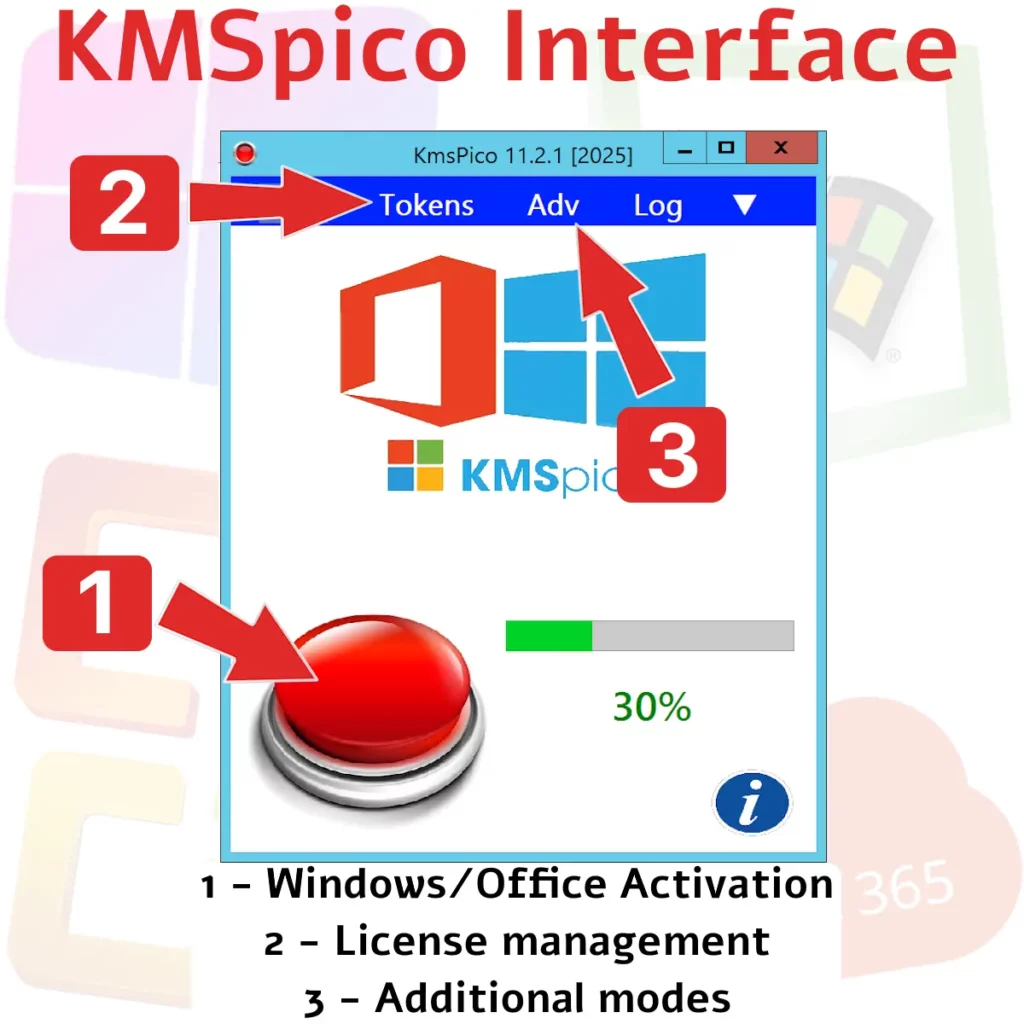
    kms activator windows 10 setup and download activator windows 10 tips

    In the constantly evolving landscape of software licensing, understanding how to legally activate Windows 10 is crucial for businesses and individuals alike. The need for compliance with licensing agreements must be balanced with the flexibility that modern activation methods offer. One such method that’s often discussed is the use of a KMS activator for Windows 10.

    Understanding KMS Activator Windows 10

    The Key Management Service (KMS) is an activation service used by Microsoft to enable organizations to activate systems within their network without connecting each machine individually to Microsoft. A KMS activator for Windows 10 allows companies to manage large deployments of Microsoft’s OS efficiently, ensuring all computers are compliant with license agreements. By using this method, IT administrators can seamlessly integrate new machines into their existing infrastructure without the need for individual activation keys, making it a time-saving solution.

    KMS Activator Windows 10 vs. Other Activation Tools

    There are several methods available for activating Windows 10, including using digital licenses or product keys. However, tools like kms activator windows 10 offer a different approach, automating the activation process within an organization’s network. This method can be contrasted with other tools like a windows activator or downloading individual digital licenses. The primary advantage of using a kms activator windows 10 lies in its ability to handle bulk activations seamlessly, whereas digital licenses might require more manual oversight and management.

    Legal Implications of Using KMS Activator Windows 10

    While activating Windows 10 using a KMS activator can seem convenient, it’s important to recognize the legal boundaries. Organizations must ensure that they are using legitimate and authorized versions of these tools to avoid legal repercussions. Unauthorized use of kms activator windows 10 might breach Microsoft’s licensing terms. It is advisable for businesses to consult with legal counsel before implementing any activation strategy that could potentially violate software agreements.

    Benefits of Using a KMS Activator

    KMS activators streamline the process, especially in environments where hundreds of machines require activation. They allow for centralized control, reducing administrative overhead and enabling seamless updates. These benefits make kms activator windows 10 an attractive choice for IT departments aiming to maintain compliance while minimizing workload. Furthermore, it facilitates easier tracking and management of licensing across all devices within an organization.

    Comparing KMS Activator with Digital Licensing

    Digital licenses tie the activation status directly to the hardware, which may not be ideal in dynamic or high-turnover IT scenarios. In contrast, a KMS activator offers flexible reactivation after hardware changes or system reinstalls, making it suitable for virtual environments operating under constraints like VM with 2 vCPU / 4 GB RAM. This flexibility ensures that even after significant hardware upgrades or changes in virtual environment configurations, systems remain active without needing manual reactivation efforts.

    Technical Aspects of Implementing KMS Activator

    Implementing kms activator windows 10 involves running specific commands such as ‘slmgr /ipk’ followed by your organization’s unique setup key to initiate the activation process. Ensuring that your network setup is conducive to this type of activation involves careful planning and configuration management. Network stability and proper DNS configuration are crucial factors that contribute to successful deployment and operation of a KMS server within an enterprise environment.

    FAQ

    What is a KMS activator for Windows 10?
    A KMS activator is a tool used to activate Microsoft software, including Windows 10, through a Key Management Service (KMS) server.
    Is using a KMS activator legal?
    No, using unauthorized KMS activators violates Microsoft’s terms of service and can lead to legal consequences.
    How does KMS activation work?
    KMS activation involves connecting to a KMS server that validates and activates the software for a set period, requiring periodic reactivation.
    Are there risks associated with using third-party KMS activators?
    Yes, they can expose systems to malware, compromise security, and result in software instability or data loss.
    What is the recommended way to activate Windows 10?
    The recommended method is to use a genuine product key provided by Microsoft or an authorized reseller.

    Limitations and Constraints in Lab Environments

    When testing kms activator windows 10 in a lab environment, it’s critical to consider factors like resource allocation and snapshot timing. Limited resources can affect performance during activation processes, highlighting the importance of adequate planning before deployment. Additionally, ensuring that test environments mimic production settings as closely as possible will provide better insights into how the tool will perform under actual usage conditions.

    Alternatives: When Not to Use KMS Activators

    For small businesses or personal users with fewer devices, utilizing tools like direct product keys or exploring a windows 10 activator free download might suffice. Additionally, downloading kmspico or similar solutions could offer straightforward alternatives without the complexities of managing a local KMS server. Such options might be more cost-effective and simpler for organizations with limited technical resources or smaller IT teams.

    KMS Activator Office 2019: Extending Beyond Windows

    The principles behind kms activators aren’t limited to operating systems alone. They extend to applications like Office suite products from Microsoft. For instance, using a kms activator alongside office installations can streamline productivity software deployment across corporate environments. This approach ensures that both operating systems and essential business applications remain activated and compliant with licensing terms simultaneously.

    Troubleshooting Common Issues with KMS Activators

    Troubleshooting kms activator issues often involves checking network connectivity and DNS settings, as these can impact activation success. Regular audits and updates ensure that systems remain compliant and operational while mitigating any risks related to unauthorized software usage. Keeping your IT staff trained on common troubleshooting techniques can prevent downtime caused by unexpected activation failures.

    The Importance of Regular Software Audits

    A consistent audit schedule helps detect any deviations in licensing compliance early on. Regularly validating activation statuses can prevent potential legal issues and ensure efficient resource allocation across IT infrastructures. By maintaining thorough records of software usage and license allocations, organizations can optimize their spending on software licenses while avoiding unnecessary expenditures due to non-compliance penalties.

    In summary, while kms activator windows 10 provides significant advantages in terms of flexibility and management efficiency—especially in large-scale deployments—it comes with responsibilities regarding legal compliance and ethical usage. Evaluating the appropriateness based on organizational needs will help balance these aspects effectively. Organizations should weigh these benefits against potential risks and consider consulting experts when designing their software licensing strategies.

    The choice between using a kms activator windows 10 or alternative methods should be carefully considered based on specific organizational needs and resources available. While some entities may benefit from its streamlined processes and centralized management capabilities, others might find traditional product keys or digital licenses more appropriate given their circumstances.

    Ultimately, implementing any form of software licensing strategy requires thorough research and understanding of both the technical requirements and legal obligations involved. Staying informed about updates in technology as well as changes in licensing terms will empower organizations to make decisions that align with their operational goals while adhering to industry standards.

  • Royal Vending Perth

    Royal Vending Perth

    Royal Vending Perth supplies vending machines in Perth. Our vending machines are self-service with their own currency (chips and coins). However, we also supply Vending Machines filled with snacks, drinks, and confectionery.

    Royal Vending is Western Australia’s premium vending machine supplier, offering an extensive range of vending and snack machines for sale to businesses across Perth. Our vending machines perth range includes vending machines for cafes, restaurants, schools, health care facilities, and other businesses.

    Who is Royal Vending Company?

    Royal Vending Company is an established vending machine company that does not just operate vending machines but also has locations for cafes, coffee, and ice cream. The company’s ice cream vending machines are one of the best-selling machines, comprising roughly 20% of the company’s revenue.

    Royal Vending is a national vending company offering fresh and healthy vending and office coffee services. We provide high-quality, healthy vending and office coffee service, including healthy snacks and beverages. We offer turnkey vending services, including on-site assessments, refreshment planning, installation, and maintenance. Not only can we plan, design, and install your office coffee service, but we can also maintain it and provide a service agreement customized to your needs.

    Combo Vending Machine from Royal Vending is The Best

    Combo vending machines from royal vending machines are high quality and come fully stocked with a wide variety of healthy, fresh foods and snacks. They operate on a wide selection of payment options, allowing customers to choose how they spend their money. These machines are attractive, offering various food options that will entice customers. They are tremendously durable, which makes them a wise investment for your business.

    Conclusion

    Royal Vending offers vending machines for conferences, offices, schools, hospitals, shopping centers, campuses, events, sporting venues, etc. We offer a full and professional service with highly skilled and trained operators who can guarantee our customers a completely professional, reliable, and punctual service.