Stainless steel is used in many parts of modern construction, manufacturing, and everyday design. Its clean appearance, strength, and resistance to corrosion make it a practical material for projects that need both durability and a professional finish. From commercial kitchens and industrial equipment to architectural features and residential improvements, it offers flexibility across a wide range of applications.
However, getting the right results starts with choosing suitable materials. Different projects require different product types, dimensions, finishes, and grades. Understanding these details can help builders, fabricators, manufacturers, and homeowners make informed decisions when sourcing ** stainless steel supplies in Melbourne **.
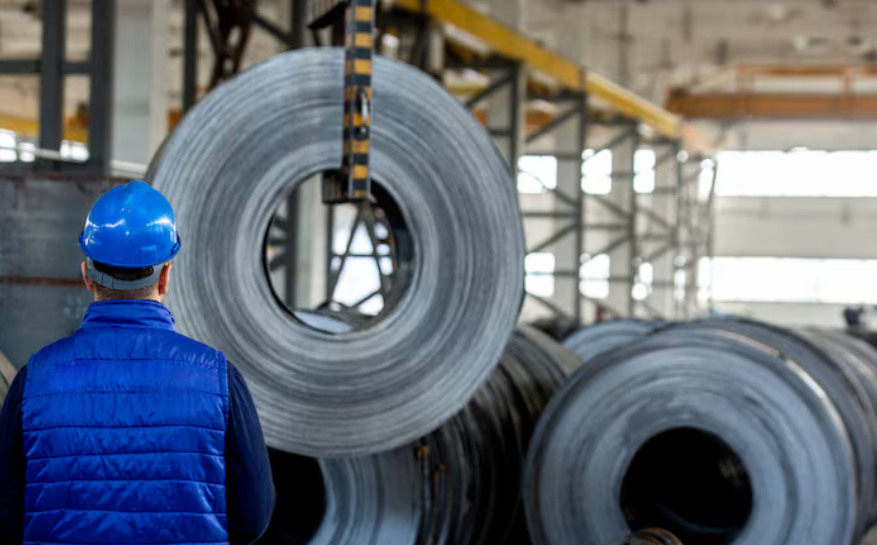
Why Stainless Steel Remains a Popular Material
One of the main reasons stainless steel is widely used is its ability to resist corrosion. It contains chromium, which helps form a thin protective layer on the surface. This layer helps prevent rust and protects the material from many forms of everyday environmental exposure.
Stainless steel is also valued for its strength and long service life. When the correct grade is selected and the material is properly maintained, it can perform well in demanding environments. It is suitable for applications where surfaces need to remain durable, easy to clean, and visually appealing.
Its appearance is another advantage. Stainless steel can have a brushed, polished, or more understated finish, making it suitable for both functional equipment and decorative features. These qualities make it a common choice across industries that need materials capable of combining performance with a clean, modern look.
Understanding the Different Stainless Steel Products
Stainless steel is available in several product forms, each designed for different applications. Sheets are commonly used for fabrication, kitchen surfaces, splashbacks, and equipment panels. Their flat shape makes them suitable for cutting, bending, and forming into specific designs.
Plates are generally thicker than sheets and are often selected for applications that require additional strength and material depth. They can be used in construction, industrial equipment, and custom fabrication projects.
Tubes are another important product. Round and square stainless steel tubes are used in handrails, frames, supports, furniture, and various architectural structures. Their shape provides useful strength while allowing them to be incorporated into different designs.
Bars are available in forms such as round, square, flat, and angle sections. These products are useful for machining, structural components, brackets, and fabrication work. Stainless steel coils and fittings also serve important roles in manufacturing and installation projects, depending on the required specifications.
Choosing the Right Stainless Steel Grade
Selecting the correct grade is essential because not all stainless steel performs in the same way. Grade 304 is a common general-purpose option. It offers good corrosion resistance and formability, making it suitable for many indoor applications, food-related equipment, and general fabrication work.
Grade 316 contains molybdenum, which improves its resistance to corrosion, particularly in environments where exposure to salt and certain chemicals may be a concern. It is often considered for marine settings, coastal properties, and demanding industrial applications.
The best grade depends on where the material will be installed and what it needs to withstand. Factors such as moisture, cleaning chemicals, temperature, and exposure to corrosive substances should all be considered. Choosing a grade based only on price may lead to higher maintenance costs or premature material damage. When specifications are unclear, discussing the application with a knowledgeable supplier or engineer can help narrow down the options.
The Importance of Finish, Size, and Thickness
Beyond the grade, the finish and dimensions of stainless steel can affect both its appearance and performance. A brushed finish provides a softer, less reflective surface that is often used for architectural details, appliances, and commercial interiors. A polished finish creates a brighter appearance and may suit decorative features or applications where presentation matters.
Thickness should also match the intended use. A material that is too thin may not provide enough rigidity, while a thicker product may add unnecessary weight and cost. The required dimensions will depend on the design, fabrication method, and expected working conditions.
Planning these details before ordering can reduce material waste and avoid unnecessary adjustments during fabrication. It is helpful to provide accurate measurements, drawings, and information about the intended application when requesting a quote.
How Custom Cutting Makes Projects Easier
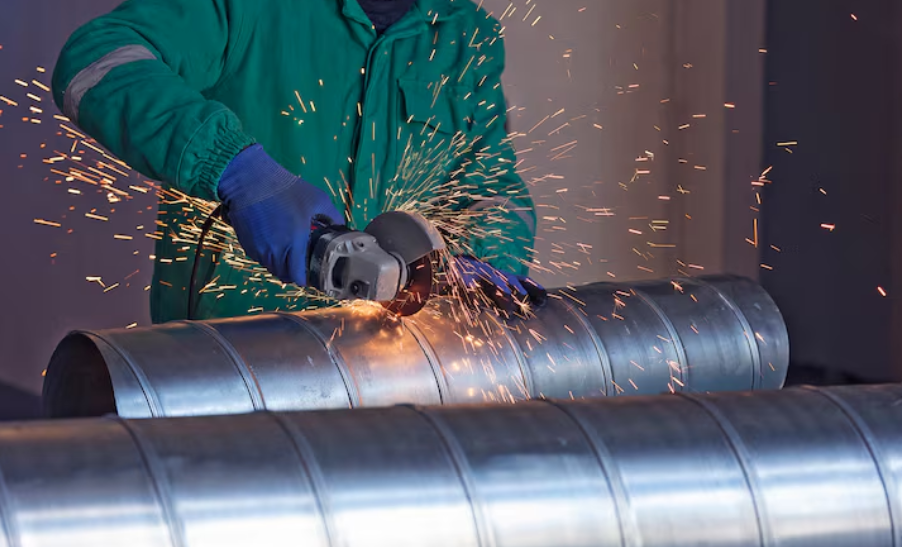
Stainless steel products often need to be prepared to specific dimensions before they can be installed or fabricated. Custom cutting services can make this process more convenient by supplying materials in sizes that are closer to the project's requirements.
Cut-to-size options can reduce the amount of additional work needed on-site and help limit offcuts. Depending on the product and required dimensions, suppliers may offer services such as guillotine cutting and band saw cutting.
Accurate cutting is particularly useful for builders, manufacturers, and fabricators working with multiple components. It can help maintain consistency across a project and make it easier to organise materials before assembly. Before ordering, customers should confirm the available cutting methods, dimensional tolerances, and any additional preparation requirements.
What to Look for in a Melbourne Stainless Steel Supplier
A reliable supplier should offer more than a selection of materials. Product availability, consistent quality, clear communication, and practical support can all influence how smoothly a project progresses.
It is useful to work with a supplier that carries different product forms and can help customers understand the available specifications. This is particularly important for projects involving several materials, such as sheets, plates, tubes, bars, and fittings.
Delivery arrangements are another consideration. Construction and manufacturing schedules often depend on materials arriving when they are needed. Confirming stock availability, lead times, delivery areas, and cutting requirements before placing an order can help reduce delays.
Stainless Trading Australia supplies a range of stainless steel products, including sheets, plates, tubes, bars, coils, and fittings. The company also offers cutting services for customers with specific project requirements. Its product range serves construction professionals, manufacturers, engineers, and customers working on smaller projects. <Cite refs={["turn267939search0","turn267939search1","turn267939search9"]}/>
Making a Practical Long-Term Material Choice
The lowest purchase price does not always represent the best overall value. Stainless steel should be assessed based on its suitability for the application, expected service life, maintenance needs, and fabrication requirements. Choosing an appropriate grade and finish from the beginning can help avoid problems later.
It is also worth considering how the material will be cleaned and maintained. Regular cleaning with suitable products helps preserve its appearance and remove substances that could affect the surface. Avoiding harsh cleaners and using appropriate care methods can support long-term performance.
Finding the Right Supplies for Your Next Project
Stainless steel continues to be an important material for Melbourne's construction, manufacturing, and fabrication industries. Its versatility makes it suitable for everything from simple residential improvements to complex commercial applications. The key is understanding the differences between product types, grades, finishes, and dimensions before making a purchase.
By working with a supplier that offers a suitable product range, clear information, and useful cutting services, customers can source materials that match their project requirements. Careful planning at the ordering stage can help improve efficiency, manage costs, and achieve a finished result built to last.